
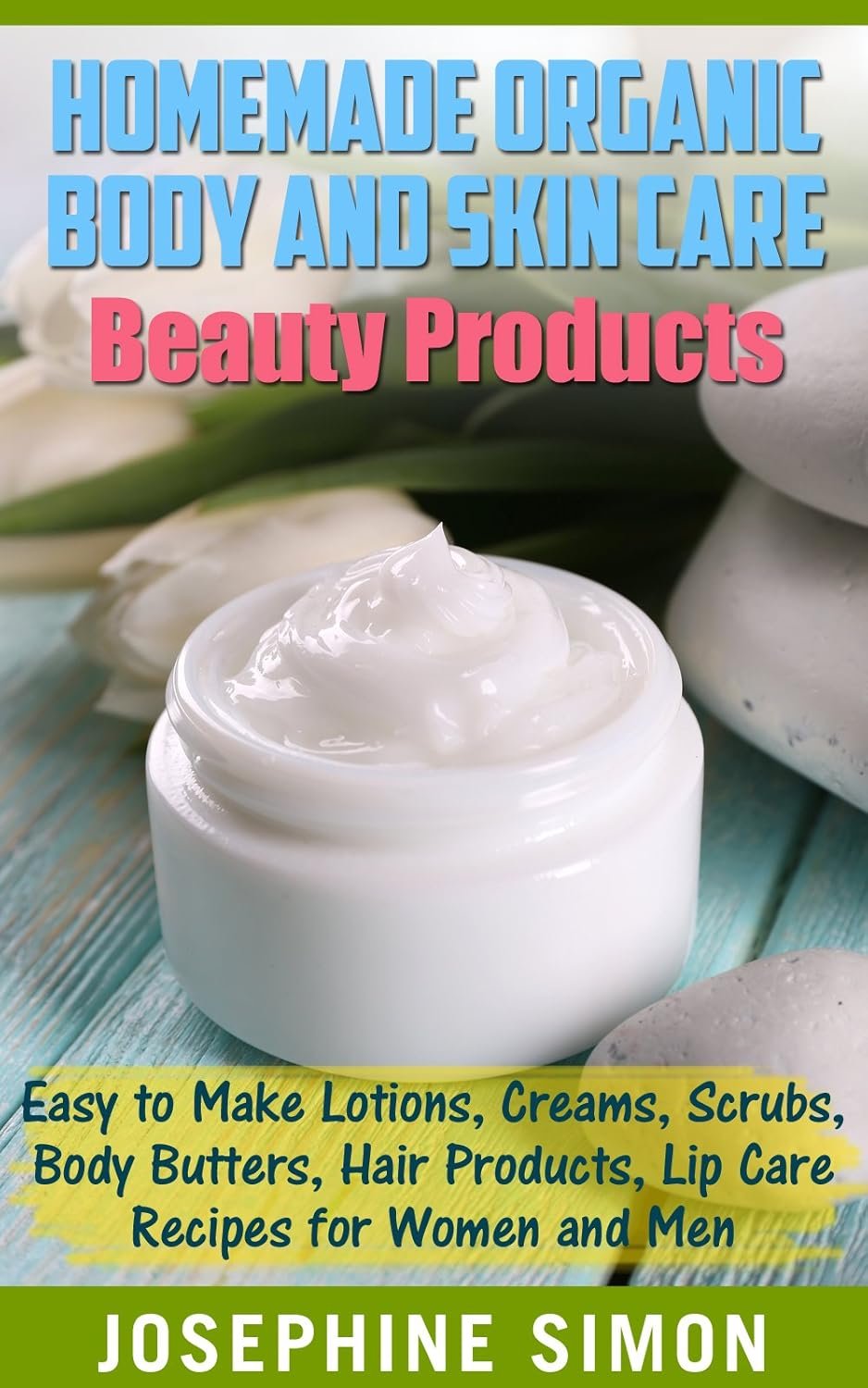

Product Review: Homemade Organic Body and Skin Care Beauty Products
In a world where the demand for natural and organic skincare continues to rise, "Homemade Organic Body and Skin Care Beauty Products" presents an enticing alternative to expensive store-bought items. This DIY guide is designed for both men and women who are interested in taking charge of their skincare routine by creating their own beauty products from the comfort of their homes. With over 75 recipes and practical tips, this book aims to simplify the process of making everything from lotions to scrubs and hair care.
Content Overview
The book begins by introducing readers to the importance of using clean, natural ingredients. It makes a compelling case for why one should opt for homemade formulations rather than pre-packaged products, which often contain additives and preservatives that may not be skin-friendly. The author provides a clear outline of the necessary ingredients and equipment, making it suitable for beginners.
From body lotions like the "Super Simple Luxurious Lotion" to scrubs such as the "Lemon Lavender Body Scrub," readers will find a comprehensive collection of recipes that cover various aspects of skincare. The book also emphasizes the importance of proper storage and preservation of these organic products, ensuring that they maintain their effectiveness over time.
Clarity and Usability
One of the strongest attributes of this book is its clarity in instruction. Each recipe is straightforward and easy to follow, with clear lists of ingredients and step-by-step methods. For a novice in the DIY skincare realm, this kind of presentation can significantly lower the intimidation factor associated with trying to create homemade products.
Moreover, the recipes cater to a variety of needs—from everyday lotions to specialized items like "Acne Fighting Cleanser" and "Hair Detox Green Tea Shampoo." Men are not overlooked either, as the book includes grooming options like aftershave creams and facial washes specifically designed for men’s skin.
Effectiveness of the Recipes
While the book provides a solid foundation for DIY skincare, the effectiveness of the products largely depends on the quality of the ingredients used. Many readers may already be familiar with some of the ingredients like shea butter, coconut oil, and essential oils, which are known for their beneficial properties. The book encourages using organic and natural ingredients, which can enhance the overall effectiveness and safety of the products.
Users can expect to see improvements in their skin’s appearance and texture, thanks to the natural ingredients that may provide hydration and nourishment. However, it’s important to note that results can vary depending on individual skin types and sensitivities.
Cost-Effectiveness
One of the driving motivations for creating homemade beauty products is the financial aspect, and this book effectively addresses that. Store-bought organic skincare can be exorbitantly priced, while making your own can be significantly more economical. With just a few basic ingredients, many of which can be sourced inexpensively, consumers can save money while indulging in quality skincare that they trust and understand.
Environmental Impact
Sustainability is another benefit highlighted in this book. By choosing to create organic beauty products at home, users can minimize packaging waste and opt for eco-friendly containers for their creations. This appeals to environmentally conscious consumers who are looking to reduce their carbon footprint while maintaining a personal care routine.
Considerations
While the book is filled with valuable information and useful recipes, potential users should be aware of the time and effort involved in making products themselves. Preparing homemade beauty items may require some initial investment in ingredients and time for preparation. It may not be as convenient as picking up a pre-made product at a store, and consistent results will require a bit of practice and experimentation.
Additionally, some recipes may require specialized ingredients or tools that beginners may not readily have at home. Readers should be receptive to the learning curve associated with DIY skincare, as mastering the art of homemade beauty may take time.
Conclusion
Overall, "Homemade Organic Body and Skin Care Beauty Products" serves as an excellent resource for those seeking to embrace natural skincare. The book is well-organized and thoughtfully constructed, providing an array of recipes that cater to different skin types and needs while emphasizing sustainability and cost-effectiveness.
For individuals committed to understanding what goes on their skin and who are interested in dabbling in DIY beauty, this book is a worthy investment. It invites users to not only save money but also gain knowledge about the ingredients they are applying to their bodies. With ongoing concerns about the chemicals in commercial skincare, taking the plunge into homemade products could lead to healthier skin and a more eco-conscious lifestyle. Whether you are a skincare aficionado or a curious novice, this book opens the door to a fulfilling and creative journey in beauty care.
