

Product Review: Dining In: Highly Cookable Recipes by Alison Roman
Overview
In a culinary world teeming with cookbooks that promise gourmet experiences but often deliver complexity, Alison Roman’s Dining In: Highly Cookable Recipes emerges as a breath of fresh air. Released in 2017, this cookbook has garnered critical acclaim and a distinguished place in the kitchens of both seasoned and novice home cooks. Roman’s philosophy of making home cooking as appealing and enjoyable as dining out resonates throughout the pages, making it more than just a compilation of recipes—it’s a guide to a lifestyle.
Design and Usability
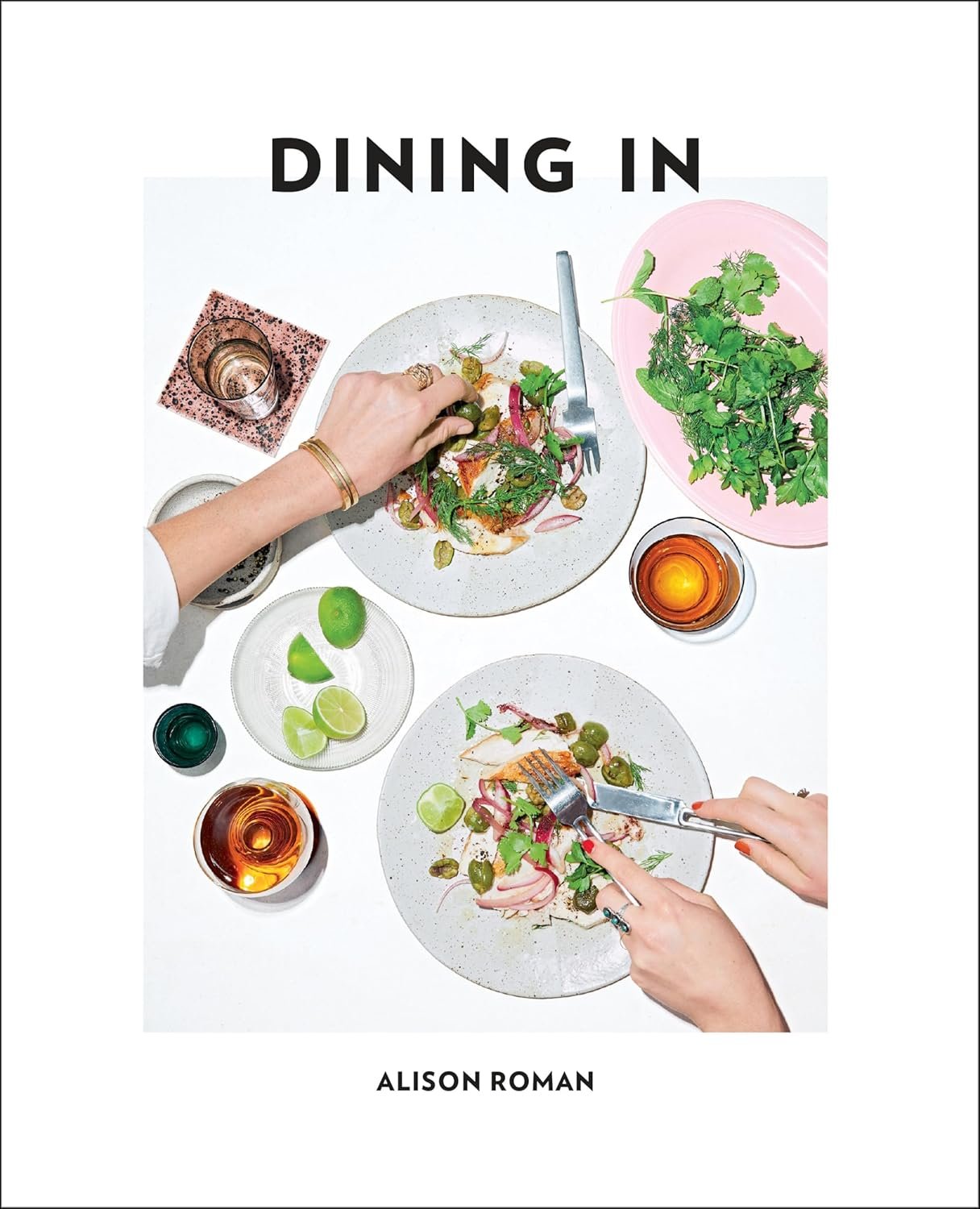
From the outset, Dining In is beautifully designed. The layout is clean and inviting, emphasizing a contemporary aesthetic that feels both chic and approachable. Bright, high-quality photographs complement the recipes, showcasing the finished dishes in an almost tantalizing way. The visual appeal acts as a motivator for potential cooks, inspiring confidence in what they can create.
Roman’s writing style is another highlight. It’s conversational, often infused with humor and warmth, which makes the reading experience enjoyable, even if you don’t end up cooking anything. Her relatable anecdotes and tips help demystify what could typically be seen as daunting culinary tasks.
Recipe Structure
The cookbook houses 125 recipes that range from light and vegetable-forward dishes to hearty mains, including options for meat lovers as well. The hallmark of each recipe is its simplicity, marrying minimal techniques with maximum flavor. Roman’s focus on quick tricks—such as slathering roast chicken in anchovy butter or roasting citrus to elevate flavors—shows her understanding that home cooks often juggle busy lives but still desire to prepare meals that are satisfying and impressive.
The structure of each recipe is straightforward. Ingredients are listed clearly, and steps are broken down into manageable parts, making it easy to follow—even for those who may not have much culinary experience. Additionally, many recipes include adaptations or substitutions, encouraging creativity and flexibility in the kitchen.
Versatility and Flavor
A standout feature of Dining In is its versatility. Roman successfully creates a balance between casual and sophisticated. For instance, her Salted Butter and Chocolate Chunk Shortbread Cookies are uncomplicated yet embody the kind of indulgence that could hold their own in a high-end pastry shop. Similarly, her savory dishes, like the Skillet Chicken with Crushed Olives and Sumac, manage to present a stunning flavor profile while remaining accessible to all skill levels.
Vegetable-centric dishes shine throughout the book. This emphasis aligns with modern culinary trends that favor plant-forward meals without sacrificing taste. Recipes are designed to appeal to both vegetarians and omnivores, showcasing Roman’s expertise in crafting dishes that celebrate fresh produce while respecting the heartiness of meat-based entrees.
Accessibility
One of the most admirable aspects of Dining In is its aim to demystify home cooking. Roman champions the idea that cooking at home should be enjoyable, not stressful. This philosophy is integral for those who feel intimidated by culinary tasks. The book is accessible not just in its language and structure but also in its ingredient choices. Most items are easily found in a typical grocery store, which means you won’t need to embark on a scavenger hunt for obscure ingredients. This lowers the barrier to entry for those looking to dive into home cooking.
Community and Cultural Impact
Beyond the pages of the cookbook, Dining In has ignited a culinary community—especially on social media platforms. Recipes from the book, particularly the aforementioned shortbread cookies, have gone viral and cultivated a sense of shared joy among home cooks. This connection with the audience adds a layer of authenticity to the cookbook, reinforcing that the joy of cooking can be a communal activity.
Roman’s approach resonates particularly well in today’s culture, where dining at home has taken center stage. The pandemic has made many reconsider their cooking habits, making this book particularly timely. Its casual yet chic approach to meals becomes a way for people to reconnect with the joy of cooking, encouraging them to explore flavors and techniques without the pressure of perfection.
Conclusion
In summary, Dining In: Highly Cookable Recipes is not just another cookbook; it is an invitation to enjoy the art of home cooking. Alison Roman has created a resource that is visually appealing, expertly designed, and accessible to all. The balance of simplicity and creativity allows cooks of all skill levels to find joy in their kitchens while mastering the craft of making flavorful, high-quality dishes. With this book, home cooking becomes less of a chore and more of a delightful activity, one that is sure to impress both cooks and diners alike. For anyone looking to enhance their culinary experience—whether for everyday meals or special gatherings—Dining In is an investment that promises both immediate rewards and lasting culinary prowess.
If you’re looking to elevate your home cooking game while keeping things relaxed and enjoyable, this cookbook might just be the perfect addition to your culinary library.
